

Buy in Las Vegas Before You Sell in California? A Timing and Financing Checklist (2026)
If you're moving from California to Las Vegas, the hardest part usually isn't picking the house. It's the order of operations. Do you buy in Las Vegas first and then sell in California? Sell first and rent for a bit? Or write an offer that depends on your California sale? Each path changes how much cash you need, how many moves you make, what your lender will ask for and how strong your offer looks to a Las Vegas seller. Las Vegas REALTORS® (LVR) reported nearly six months of housing supply in October 2026, up from just over four and a half months a year earlier, so buyers have more room to ask for terms than they did a year ago. That makes timing worth planning on purpose. This guide walks through the three ways to do it, the financing questions to bring to your lender, how rent-backs work, what to ask your CPA, and a checklist you can actually use.
The short version
- Buy first gives you one move and no rush, but you may carry two housing payments for a while.
- Sell first gives you cash and certainty, but you may need a short-term rental and a second move.
- A contingent offer ties the two together, but it's a weaker offer and the seller can usually keep marketing the home.
- The lender decides a lot of this. Whether your California payment counts against you, and whether rent from it helps, follows specific loan rules.
- Taxes are a CPA conversation. I'll point you to the official sources, but I don't give tax advice.
I'm Andrew Guiant, a REALTOR® with Simply Vegas, and I'm also licensed in California with Rise Realty. I talk to a lot of people making this exact move, and the ones who plan the timing up front have a much easier escrow.
By Andrew Guiant, REALTOR®, Nevada License S.0183462, Simply Vegas | Updated November 15, 2026
Selling in California and buying in Las Vegas? Call or text 702-496-8216 and let's map both sides on one calendar.
What the Las Vegas Market Looks Like Right Now
Here's where things stood in October 2026, from LVR's monthly statistics release (Las Vegas REALTORS®, released Nov. 6, 2026). These are existing homes sold through the MLS across Southern Nevada.
| October 2026 (Southern Nevada, existing homes on the MLS) | Number |
|---|---|
| Single-family median sales price | $475,000 (up 0.1% from Oct. 2025) |
| Total sales (homes, condos and townhomes) | 1,895 |
| Housing supply | Nearly six months (just over 4.5 months a year earlier) |
| Single-family homes listed without any offer at month end | 8,112 (up 7.6%) |
| Single-family homes sold within 60 days | 72.4% |
What does that mean for you? More homes on the market usually means more room to negotiate on things like closing dates, credits and, sometimes, a contingency. But good homes still sell. LVR says 72.4% of the houses that sold in October sold within 60 days. So don't assume every seller will wait on your California sale. For the full picture, see my Las Vegas housing market update for October 2026.
Buy First, Sell First or Contingent Offer: The Trade-Offs
| Approach | Upside | Downside | Usually works best when |
|---|---|---|---|
| Buy in Las Vegas first | One move, no temporary housing, and a clean, non-contingent offer | Possible double housing payments, and you need the down payment before your California equity is free | You can qualify with both payments, or you have cash, a bridge loan or a line of credit to cover the gap |
| Sell in California first | You know your exact proceeds, you carry one payment, and your Las Vegas offer can be strong | You may need a short-term rental or a rent-back, plus possibly two moves | You need your equity for the down payment or you don't want any carrying risk |
| Contingent offer (your Las Vegas purchase depends on your California sale) | Some protection if your home doesn't sell | Weaker offer, and the seller can usually keep showing the home and accept a backup or a better offer | Your California home is already in escrow, or the Las Vegas home has been sitting |
Buying first
This is the smoothest move if you can swing it. You pick the Las Vegas home, close, move once, and then list the California home empty, which usually makes it easier to prep and show. The catch is the money. Until California closes, you're paying for two homes, and your lender has to be comfortable with that (more on this below). Personally, I like this path for buyers with strong income, real cash reserves, or a pre-arranged bridge loan or line of credit.
Selling first
This is the lowest-risk path on paper. You know your net proceeds to the dollar, and your Las Vegas offer looks like any other financed or cash buyer. The trade-off is logistics. You might rent in Las Vegas for a few months, store furniture, or negotiate a rent-back on your California sale so you can stay put until your Las Vegas closing.
Writing a contingent offer
A sale contingency means your Las Vegas purchase depends on your California home selling and closing. Nevada purchase agreements have a section where you state whether the deal is contingent on the sale of another property. In general, the contract spells out where your property stands (already in escrow or not yet under contract), the dates it has to close by, and what happens if it doesn't. Sellers commonly keep the right to keep marketing the home, and if they get another acceptable offer, you may get a short window to remove your contingency or step away. The exact wording, boxes and number of days depend on the current form and what we negotiate, so I'll walk you through the version we'd actually use before you sign. A contingency is a lot easier to get accepted when your California home is already in escrow with contingencies removed, or when the Las Vegas home has been on the market a while.
Whatever you choose, your earnest money and your due diligence period still matter. Miss a deadline and your deposit can be at risk. Here's how to make an offer in Las Vegas if you want the full process.
Financing Questions to Bring to Your Lender
Your lender, not me, decides how your loan gets underwritten. But here are the rules I'd ask about by name, because they come up on almost every California-to-Las Vegas move. These are from the Fannie Mae Selling Guide and HUD's FHA Handbook. Lenders can add stricter rules of their own, and other loan types have their own rules.
Carrying two payments (your debt-to-income ratio)
If your current home is pending sale but won't close before your new loan, Fannie Mae says the lender has to count both the current and the new housing payments when qualifying you. The exception: the lender doesn't have to count the current home's payment if you provide the executed sales contract on it and confirmation that any financing contingencies have been cleared (Fannie Mae Selling Guide B3-6-06). That's a big reason having your California home in escrow, with the buyer's loan contingency removed, can change your buying power in Las Vegas.
Bridge loans
A bridge (or swing) loan lets you use funds to close on the new home before the old one sells. Fannie Mae treats it as a contingent liability that's included in your debt-to-income ratio, unless you provide a fully executed sales contract on your current home and confirmation that any financing contingencies have been cleared (Fannie Mae Selling Guide B3-6-05). Ask about the rate, fees, term and what happens if your California home takes longer to sell than you planned.
A HELOC on your California home
A home equity line of credit lets you borrow against the equity in your home, usually at a variable rate, with a draw period and then a repayment period when payments are often much higher. Your home is the collateral, and the lender can freeze or reduce the line if your home's value drops or your finances change (Consumer Financial Protection Bureau). If the line requires a monthly payment, your Las Vegas lender will count that payment in your debts (Fannie Mae B3-6-05). If this is your plan, set it up early and ask the HELOC lender how their rules work if you plan to list the home soon.
Keeping the California home as a rental
Some buyers keep the California home and rent it out. The rules on counting that future rent are specific, and they're different by loan type:
- Conventional (Fannie Mae): The lender takes 75% of the documented market rent and subtracts the home's full housing payment. If the result is positive, it can only offset that home's payment. If it's negative, it goes into your debt ratio. Market rent comes from an appraisal, a comparable rent schedule or at least three comparable rentals. Fannie Mae says lease agreements aren't permitted for a departing residence, and if you have less than 12 months of property management experience, you need six months of reserves for that home's payment (Fannie Mae Selling Guide B3-3.8-05).
- FHA: HUD's handbook says rent from a home you're moving out of can only count if you're relocating to an area more than 100 miles away. The lender needs a lease of at least one year after closing, proof of the security deposit or first month's rent, and, if you don't have rental history on the home, an appraisal showing market rent and at least 25% equity. Then it uses 75% of the lower of the appraised market rent or the lease rent, minus the home's payment (HUD Handbook 4000.1).
Keeping it as a rental can also change your tax picture on the California sale later. That's the next section.
Rent-Backs and Leasebacks
A rent-back (also called a leaseback) is when the seller stays in the home for a set time after closing and pays the new owner for it. On this kind of move, it can work in either direction:
- You sell in California and rent back from your buyer so you can stay until your Las Vegas closing. You get your cash out and you avoid a short-term rental in between.
- Your Las Vegas seller asks to rent back from you because they're buying their next home too. That pushes your move-in date back.
Either way, put it in writing as part of the contract: how many days, the daily or monthly rate, a deposit, who pays utilities, what condition the home is handed over in, and what happens if they don't leave on time. Check with your lender and insurance agent before you agree, because a rent-back can affect occupancy and coverage. And plan for the move-in date in the contract, not the one you're hoping for. My guide to how long it takes to buy a house in Las Vegas shows how possession dates and rent-backs fit into the timeline.
Taxes: Talk to a CPA Before You Pick a Path
I'm a REALTOR®, not a CPA or an attorney, so I'm not going to tell you what you'll owe. Here are the official sources I'd read and bring to your tax professional:
- Nevada doesn't have a state income tax on individuals. The Nevada Department of Taxation says that if you live and work in Nevada, you don't file a state income tax return on earned income like wages or salaries. Nevada does have other taxes, like sales tax and property tax (Nevada Department of Taxation). Here's how property taxes in Las Vegas work.
- The federal home-sale exclusion. IRS Publication 523 explains that if you meet certain conditions, you may be able to exclude up to $250,000 of gain from the sale of your home, or $500,000 for a married couple filing jointly. Generally you need to have owned the home and used it as your residence for at least 24 months of the 5 years before the sale. Pub 523 also has a section on business or rental use of a home (IRS Publication 523).
- California withholding at escrow. California has real estate withholding rules, and sellers who qualify for an exemption certify it on Form 593 before closing. The FTB's instructions say a home last used as a vacation home, second home or rental doesn't qualify for the "last used as your principal residence" exemption (California FTB, 2026 Form 593 instructions).
Bottom line: if you're thinking about renting out the California home before you sell it, or about when to change your residency, have that conversation with a CPA before you choose a path. It's a lot easier to plan it than to fix it.
Timing Your Las Vegas Escrow
A Las Vegas purchase runs in phases: pre-approval and touring, offer and acceptance, the early deposit and escrow deadlines, due diligence, appraisal and loan, and then closing. The number of days for due diligence, appraisal and loan are terms we negotiate, not fixed rules. My how long to buy a house in Las Vegas guide breaks down each phase.
When you're also selling in California, here's how I line the two up:
- Set your Las Vegas closing date after your California loan and appraisal milestones are clear, not just after your California escrow opens.
- Build in a buffer. Appraisals, HOA documents and loan conditions can slide. A few extra days on paper beats an extension request at the last minute.
- Get your extensions in writing. If one side slips, the other side's dates don't move by themselves.
- Know your cash-to-close. Run your Las Vegas closing costs early, so you know how much of your California proceeds you actually need on closing day.
- Wire safely. Verify wiring instructions by phone with a known number before you send any money, on both sides.
Your Buy-Before-You-Sell Checklist
- Get a California net-proceeds estimate from your California agent, after payoff, commissions, closing costs and any repairs.
- Talk to a Las Vegas-savvy lender and ask them to qualify you three ways: with both payments, with the California home sold, and (if you're thinking about it) with the California home as a rental.
- Ask about bridge loans and HELOCs early, before your California home is listed.
- Book a CPA call about the federal exclusion, California withholding and the timing of your move.
- Pick your path: buy first, sell first or contingent offer.
- Decide if you want a rent-back on the California sale, and get the terms into the contract.
- Price out your Las Vegas budget with taxes, insurance and HOA dues. My cost of living in Las Vegas guide helps.
- Tour in person or by video, and narrow down your areas.
- Write the offer with closing and contingency dates you can actually hit.
- Put both escrows on one calendar with every deadline, and share it with both agents, both escrow officers and your lender.
Moving for the first time? My moving to Las Vegas from out of state checklist covers the DMV, utilities and the rest, and my Las Vegas relocation guide walks through the areas and the numbers. If you already own in Las Vegas and you're selling here instead, start with how to sell your house in Las Vegas.
What I'm Not Going to Tell You
I'm not going to tell you that buying first is always smarter, or that a seller will take your contingent offer, or what you'll owe in taxes. Every file is different. What I can do is help you look at all three paths with your real numbers, line up the right lender questions, and set dates on both sides that actually work together.
FAQ: Buying in Las Vegas Before Selling in California
Can I buy in Las Vegas before my California home sells?
Yes, if you can qualify with both payments or use a bridge loan, a line of credit or cash to cover the gap. Your lender will tell you what's realistic for your file.
Will a Las Vegas seller accept an offer contingent on my California sale?
Some will, some won't. It depends on the home, how long it's been on the market and how far along your California sale is. A home that's already in escrow is a much easier sell than one that isn't listed yet.
Does my California mortgage count against me?
Usually, until the sale closes. Under Fannie Mae's rules, the lender can leave it out if you provide an executed sales contract on the California home and confirmation that any financing contingencies have been cleared (Fannie Mae B3-6-06).
Can I use rent from my California home to qualify?
Possibly, but the rules are strict and different for conventional and FHA loans. FHA, for example, requires a move of more than 100 miles plus other documentation. Ask your lender before you count on it.
Does moving to Nevada change my taxes on the California sale?
That's a question for a CPA. Nevada doesn't tax individuals' wages, but how the sale of your California home is taxed depends on your situation. Read IRS Publication 523 and bring your questions to a tax professional.
What's a rent-back?
It's when the seller stays in the home after closing for an agreed time and pays the new owner. It's written into the contract with the dates, rate, deposit and move-out terms.
Watch: Las Vegas Homes and Market Updates
Click any video to watch it on YouTube.
 ▶ Single Story for Relocating Buyers | Henderson home tour |
 ▶ Remodeled Las Vegas Single Story | Solar, pool, no HOA |
 ▶ Single Story With Paid Solar | Pool and 3-car garage |
 ▶ Las Vegas Real Estate News | Prices and rates update |
More videos: see them all on my YouTube channel.
Let's Plan Both Sides Together
Book a two-market planning call with me. We'll go over your California timeline, your Las Vegas budget and which of the three paths fits, and I'll give you a short list of questions for your lender and your CPA. Because I'm licensed in both Nevada and California, I can help you keep both escrows on the same page.
Call or text 702-496-8216. It's my cell, I'll answer.
Andrew Guiant, REALTOR® | Simply Vegas
📞 702-496-8216
✉️ andrewguiant@gmail.com
🏠 Search homes: andrewsellsvegas.com
▶️ Home tours: YouTube @andrewsellsvegas
Looking for California real estate? Andrew is also licensed in California and helps buyers and sellers in San Diego County with Rise Realty. Andrew Guiant, REALTOR® | CA DRE #02448049 | Rise Realty, Broker DRE #01957687, 1902 Wright Place #200, Carlsbad, CA 92008.
Market statistics change every month. Loan rules change and lenders can add their own requirements, so confirm everything with your lender. This post is general information, not legal, tax, lending or financial advice. Talk to a CPA or tax attorney about your own situation. Information is deemed reliable but not guaranteed.
Sources
- Las Vegas REALTORS®, "LVR reports another dip in home sales, citing higher mortgage rates," October 2026 statistics (released Nov. 6, 2026): https://members.lasvegasrealtor.com/statistics/pdf/2026-10-GLVAR-Article.pdf
- Fannie Mae Selling Guide, B3-6-06, Qualifying Impact of Other Real Estate Owned (09/02/2026): https://selling-guide.fanniemae.com/sel/b3-6-06/qualifying-impact-other-real-estate-owned
- Fannie Mae Selling Guide, B3-6-05, Monthly Debt Obligations (08/05/2026): https://selling-guide.fanniemae.com/sel/b3-6-05/monthly-debt-obligations
- Fannie Mae Selling Guide, B3-3.8-05, Rental Income from Non-Subject Property: Departing Residence (09/02/2026): https://selling-guide.fanniemae.com/sel/b3-3.8-05/rental-income-non-subject-property-departing-residence
- U.S. Department of Housing and Urban Development, Handbook 4000.1, FHA Single Family Housing Policy Handbook, Rental Income from Other Real Estate Holdings: https://archives.hud.gov/offices/adm/hudclips/handbooks/hsgh/4000-1/HB-4000-1-2025-08-13.pdf
- Consumer Financial Protection Bureau, What is a home equity line of credit (HELOC)?: https://www.consumerfinance.gov/ask-cfpb/what-is-a-home-equity-line-of-credit-heloc-en-107/
- Nevada Department of Taxation, Income Tax in Nevada: https://tax.nv.gov/about-nevada-department-of-taxation/income-tax-in-nevada/
- Internal Revenue Service, Publication 523, Selling Your Home: https://www.irs.gov/publications/p523
- California Franchise Tax Board, 2026 Instructions for Form 593: https://www.ftb.ca.gov/forms/2026/2026-593-instructions.html
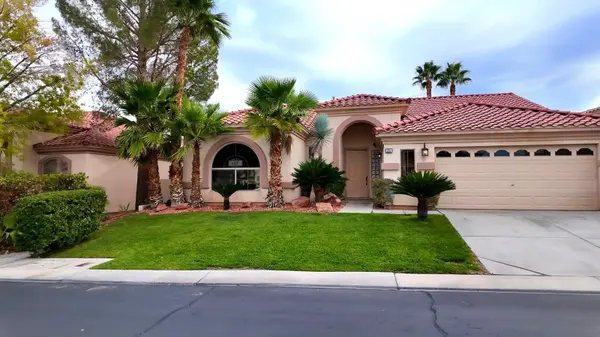
- Featured photo: Ken Lund | Wikimedia Commons, CC BY-SA 2.0 (brightened and color-enhanced): https://commons.wikimedia.org/wiki/File:Summerlin,_Nevada_(9181119926).jpg
- All checked November 15, 2026.
Andrew Guiant, REALTOR® | Simply Vegas | NV Lic. S.0183462 | 702-496-8216 | andrewsellsvegas.com
Categories
- All Blogs (70)
- Aries (1)
- Buyer Tips (58)
- Communities (1)
- Community Guides (11)
- Golf Communities (4)
- Henderson (14)
- Henderson Events (1)
- High-Rise Condos (8)
- Las Vegas Communities (23)
- Las Vegas Events (1)
- Living in Las Vegas (6)
- Model Home Tours (3)
- Moving to Las Vegas (3)
- New Construction (8)
- Relocation (6)
- Seller Tips (15)
- Southwest Las Vegas (1)
- Things to Do (2)
Recent Posts








GET MORE INFORMATION