

Oceanside 92054 Condo vs. House: Two Inventory Markets and What to Check Before You Buy (2026)
In Oceanside's 92054 ZIP, buying a condo or townhome and buying a detached house in October 2026 were almost two different markets. North San Diego County REALTORS® (NSDCAR) reported 4.2 months of supply for attached homes (condos and townhomes) in 92054, compared with 2.0 months for detached houses. That gap changes how much room you have to negotiate, how long homes sit and what you should be checking before you write an offer. A condo or townhome also comes with things a stand-alone house usually doesn't: HOA dues, a stack of California HOA disclosures, a lender review of the whole project and a split between the HOA's master insurance policy and your own. 92054 includes Oceanside Harbor and the City's offices on North Coast Highway, so coastal and flood checks belong on the list too. Here's what the numbers say, what's different about each type of home, and how I'd decide between them.
Why this comparison matters
- Different supply, different leverage. In October, 92054 attached homes had 51 listings for sale and 4.2 months of supply. Detached houses had 33 listings and 2.0 months.
- The price gap is real. Over the 12 months through October 2026, the 92054 detached median was $1,325,000 and the attached median was $965,000, a difference of $360,000.
- A condo isn't just a smaller house. You're also buying into an association, its budget, its reserves and its insurance.
- Financing can depend on the building, not just you. FHA and Fannie Mae both look at the condo project before they'll back a loan on a unit.
I'm Andrew Guiant, a REALTOR® with Rise Realty, licensed in California. I'm not going to tell you a condo or a house is the right answer. I'll show you the numbers and the paperwork, and help you figure out which one fits your budget and how you want to live.
By Andrew Guiant, REALTOR® | CA DRE #02448049 | Rise Realty | Updated November 15, 2026
Weighing a condo against a house in Oceanside? Call or text 702-496-8216 or email andrew@andrewsellsvegas.com.
Oceanside 92054 Condo vs. House: The 12-Month View
These figures come from NSDCAR's Local Market Update for 92054 Oceanside, October 2026 (current as of November 4, 2026; data from CRMLS; report by ShowingTime Plus). NSDCAR splits each ZIP into "detached single-family" (houses) and "attached single-family" (condos and townhomes). I'm leading with the rolling 12 months because a single month in one ZIP is a small sample.
| 92054, 12 months thru Oct. 2026 | Detached (houses) | Attached (condos | townhomes) |
|---|---|---|
| Median sales price | $1,325,000 (0.0% vs. prior 12 mo.) | $965,000 (+15.1%) |
| Closed sales | 205 | 152 |
| New listings | 276 | 265 |
| Median days on market until sale | 28 | 46 |
| Percent of original list price received | 98.2% | 97.0% |
NSDCAR notes its prices don't account for sale concessions or down payment assistance.
What I take from this table
Almost as many condos and townhomes came on the market over the year as houses (265 vs. 276), but fewer of them sold (152 vs. 205). Attached homes also took longer to sell, 46 days vs. 28, and sold a little further below their original list price. That's what more supply usually looks like. It doesn't mean every condo seller will take less. It means you usually have more to compare and more time to do your homework.
October 2026 Snapshot: Two Inventory Markets in One ZIP
| 92054, October 2026 | Detached (houses) | Attached (condos | townhomes) |
|---|---|---|
| Median sales price | $1,282,500 (20 sales) | $1,115,000 (13 sales) |
| Homes for sale (inventory) | 33 (down 21.4% from Oct. 2025) | 51 (down 20.3%) |
| Months of supply | 2.0 (2.7 a year earlier) | 4.2 (5.4 a year earlier) |
| Median days on market | 49 | 55 |
| Percent of original list price received | 98.3% | 96.7% |
| Pending sales | 9 (22 in Oct. 2025) | 10 (14 in Oct. 2025) |
A few things stand out to me:
- Attached supply was about twice detached supply. 4.2 months vs. 2.0. On condos and townhomes, asking for repairs or credits is more realistic when the comps back it up.
- Both sides had fewer listings than a year ago. Inventory was down about 20% on each side, and months of supply dropped on both. So "more supply" on condos is relative. It's not a flood of listings.
- Watch the small samples. The October attached median ($1,115,000) was built on 13 sales and came in well above the 12-month attached median ($965,000). One month with a few higher-priced sales can do that. That's why I lean on the 12-month numbers.
- Detached pending sales slowed. Nine detached homes went pending in October, down from 22 a year earlier. Even with tight supply, one slow month can open a door for a buyer who's ready.
I covered the bigger North County picture, and how the 92054 headline number hid this split, in my North County San Diego Housing Market October 2026 update. This guide goes deeper on the condo-or-house decision itself.
For context: Oceanside 92056
NSDCAR reports Oceanside in four ZIPs (92054, 92056, 92057 and 92058). Next door in 92056, the market looked different:
| 92056 | Detached (houses) | Attached (condos | townhomes) |
|---|---|---|
| 12-month median thru Oct. 2026 | $950,000 (446 sales) | $699,000 (169 sales) |
| Months of supply, Oct. 2026 | 1.6 | 1.4 |
Two takeaways. First, 92056 condos and townhomes did not have the extra supply 92054 did (1.4 months), so "condos give you more leverage" isn't a rule for all of Oceanside. It depends on the ZIP. Second, the 92054 attached 12-month median ($965,000) was within $15,000 of the 92056 detached median ($950,000). If your budget is around there, you may be choosing between a condo or townhome in 92054 and a house in 92056. Neither is better. They're just different trade-offs, and it's worth seeing both.
Condo, Townhome or House? Check the Legal Type First
"Attached" and "detached" describe the building. Lenders, insurers and California law care about the legal type, which you'll find in the title report and the CC&Rs.
- California's Davis-Stirling Act covers common interest developments, which Civil Code §4100 defines as community apartment projects, condominium projects, planned developments and stock cooperatives. So a house in a planned development with an HOA gets many of the same disclosures as a condo.
- A townhome can be either. Some are condominiums. Others are planned-development lots where you own the land under your unit. Fannie Mae's Selling Guide treats these differently, and it even has a category for detached condo projects, so a house can legally be a condo.
- A house with no HOA skips the association paperwork, but you take on the whole roof, exterior and yard yourself.
Before you fall for a floor plan, I'd confirm the legal type, because it drives everything below.
HOA Dues and California HOA Documents (Davis-Stirling Disclosures)
HOA dues vary building to building, so I'm not going to quote a "typical" 92054 number. What I can tell you is what California law says you should get to review. My San Diego HOA guide has the full walkthrough. Here's what matters most for a condo-vs-house decision.
What the seller has to give you (Civil Code §4525)
The seller has to provide these to a prospective buyer as soon as practicable before transfer of title:
- All governing documents (CC&Rs, bylaws, rules)
- The most recent annual budget report and related documents (more on that below)
- A written statement from the association of the current regular and special assessments and fees, plus any unpaid assessments, fines or late charges on that unit
- Any approved assessment increases that aren't due yet
- Notices of any unresolved violations sent to the owner
- Any construction defect lists or updates, if they apply
- A statement describing any rental or leasing prohibition in the governing documents
- If you request them, board meeting minutes from the previous 12 months (excluding executive session)
- A copy of the most recent balcony and elevated-walkway inspection report under Civil Code §5551
Under Civil Code §4530, the association has to provide the requested documents within 10 days of a written request, and the seller is responsible for paying the association for them.
What I read first in the annual budget report (Civil Code §5300)
- The reserve summary and funding plan, plus whether the board expects a special assessment, and if so how much and when.
- Deferred repairs. The report has to say whether the board decided to defer or skip repair or replacement of major components.
- Loans. Any outstanding association loans longer than one year, with the balance and payment.
- The insurance summary. The association's property, general liability, earthquake, flood and fidelity policies, with limits and deductibles.
- FHA and VA status. For a condominium project, the report has to say whether the project is FHA-approved and whether it's VA-approved.
How much can dues go up?
Civil Code §5605 says that, without a vote of the members, the board can't raise the regular assessment more than 20% over the prior fiscal year, or levy special assessments that add up to more than 5% of the association's budgeted gross expenses for the year. That's a limit on what the board can do on its own, not a promise dues stay flat.
Balconies and walkways in condo buildings
Civil Code §5551 requires condominium associations, in buildings with three or more attached units, to have a licensed structural or civil engineer or architect inspect a sample of wood-supported balconies, decks, stairways and walkways more than six feet off the ground at least once every nine years. The first round was due by January 1, 2025. If a building's report recommends repairs, that can show up in the reserves or a future assessment, so I'd read it.
Financing: FHA and Fannie Mae Condo Approval
With a house that isn't in a condo project, the lender mostly looks at you and the home. With a condo, the lender also looks at the project.
- FHA: HUD says FHA insures condo loans on units in an FHA-approved project, or in a project that isn't approved but meets the Single-Unit Approval requirements. For Single-Unit Approval, the project has to be complete, have at least five units and not be manufactured housing, and meet a subset of project rules, including FHA insurance concentration, owner-occupancy percentage and the project's financial condition. You can check a project in HUD's FHA condominium approval search.
- Conventional (Fannie Mae): Fannie Mae's Selling Guide says that before delivering a loan on a unit in a project, the lender must determine that the project meets Fannie Mae's eligibility requirements. Lenders may collect that information with the Condominium Project Questionnaire (Form 1076), which Fannie Mae says is optional but encouraged.
- Planned developments: Fannie Mae has separate eligibility requirements for units in PUD projects. Ask your lender what applies to the specific townhome or house.
My practical advice: if you're using FHA, check the project before you write the offer, not after. And ask your lender early whether the specific building has anything that could slow down approval. If you're a first-time buyer, my San Diego first-time buyer programs guide is worth a read too.
Insurance: HOA Master Policy and HO-6 vs. a Homeowners Policy
Condo or townhome
The California Department of Insurance says a condo association generally buys insurance for the building structure and common areas, and a condominium unit-owners policy (commonly called an HO-6) covers your personal property, loss of use, personal liability, medical payments to others, and damage to the interior and improvements you're responsible for under the association's rules. The Department suggests considering loss assessment coverage, which can help with certain assessments the association makes after a loss, and checking whether it covers earthquake.
If you're financing with a Fannie Mae loan, the Selling Guide says you must carry a unit-owners policy when any part of the unit's interior or improvements isn't covered by the master policy, or when the master policy has a per-unit deductible. That policy has to settle on a replacement cost basis, and its deductible can't be more than the greater of 5% of the coverage amount or $2,500.
This is where the annual budget report's insurance summary earns its keep. The master policy's coverage line and deductible tell you how big your HO-6 needs to be.
Detached house
A house is usually insured under one homeowners policy (commonly an HO-3) that covers the whole structure. The Department of Insurance explains that policies include coverage for the dwelling, other structures, personal property, loss of use and liability, and that if an insurer or agent gives you a replacement cost estimate for a replacement cost policy, you have to get a copy. Since you're covering the whole building, get a written quote for the specific address during your contingency period.
Both: earthquake and flood are usually separate
The Department of Insurance says earthquake and flood are among the perils usually excluded from homeowners policies, and that an insurer writing your homeowners coverage has to offer you earthquake coverage for an additional premium. For a condo, also check whether the association carries earthquake or flood coverage in its insurance summary.
Coastal and Flood Checks in Oceanside
Whether you buy a condo or a house, I'd do these checks on the exact address.
1. Look up the flood zone
The City of Oceanside points buyers to FEMA's Flood Map Service Center to find a property's flood zone, or you can contact the City's Engineering Division. The City says the Special Flood Hazard Area is the area where FEMA's 1%-annual-chance flood applies and where the mandatory purchase of flood insurance applies. Zones A, AH, AO, AE, A99, VE and V are the ones that apply in Oceanside. The City also notes that it regulates Zone A99 near the San Luis Rey River Levee similarly to Zone AE.
2. Read the Natural Hazard Disclosure
California's Natural Hazard Disclosure Statement (Civil Code §1103.2) tells you whether the property is in a FEMA Special Flood Hazard Area, a dam failure inundation area, a high or very high fire hazard severity zone, a wildland fire area, an earthquake fault zone or a seismic hazard zone. The form itself warns that these hazards may limit your ability to develop the property, get insurance or receive assistance after a disaster.
3. Know if you're in the coastal zone
The City of Oceanside says its coastal zone includes all property from the inland side of Coast Highway to the ocean, plus property near parts of the San Luis Rey River, Loma Alta Creek and Buena Vista Lagoon. Under the City's Local Coastal Program, projects in the coastal zone fall into categories ranging from exempt to needing a coastal permit from the City or from the California Coastal Commission. If you're buying a house and planning an addition or a big remodel, this is worth checking with the City's Planning Division early. In a condo, exterior changes generally run through the HOA's rules first.
4. Ask about the building's coverage
For a condo, the annual budget report's insurance summary should show whether the association has a flood policy. For a house, it's on you to get a quote if you want flood coverage or your lender requires it.
Prop 13 Property Tax Basics for Either One
A condo and a house follow the same San Diego County tax rules. The San Diego County Treasurer-Tax Collector explains that Proposition 13 limits the tax rate to 1% of assessed value, plus voter-approved bonds and assessments, caps annual value increases at 2% based on the California CPI, and reassesses the property when it changes ownership. Here's the 1% base on the 92054 12-month medians:
| 92054, 12-mo. median | 1% base per year | Per month |
|---|---|---|
| Detached: $1,325,000 | $13,250 | about $1,104 |
| Attached: $965,000 | $9,650 | about $804 |
That's only the 1% base. It assumes your assessed value equals your price and doesn't include voter-approved bonds, fixed charges or the Homeowners' Exemption. Pull the real numbers from the parcel's tax bill. One more thing: buying triggers a supplemental tax bill, and the Treasurer-Tax Collector says supplemental bills are not sent to your lender. The owner has to pay them. My San Diego property taxes guide covers the full bill.
Monthly Cost Worksheet: Condo or Townhome vs. House
| Monthly line | Condo | townhome | Detached house |
|---|---|---|
| Principal and interest | Lender's Loan Estimate | Lender's Loan Estimate |
| Property tax | Price x 1% ÷ 12, plus bonds and fixed charges from the tax bill | Same |
| HOA dues | Association's written statement of current assessments (§4525) | Only if the home is in an HOA |
| Insurance | HO-6 quote sized to the master policy's coverage and deductible | Homeowners policy quote for the whole structure |
| Flood or earthquake (optional or required) | Your quote, plus what the HOA carries | Your quote |
| Maintenance set-aside | Interior items the CC&Rs leave to you | Roof, exterior, yard, systems |
| First-year reserve for the supplemental bill | Estimate from escrow or the County | Same |
Remember, depending on the CC&Rs, HOA dues can cover things a house owner pays for separately, like exterior maintenance or the master insurance policy. Compare the full monthly number, not just the dues line.
Which One Fits You? A Simple Decision Guide
- If your budget is under the 92054 detached median: a condo or townhome in 92054, or a house in a nearby ZIP like 92056, may both be on the table. Look at both.
- If you want negotiating room: 92054 condos and townhomes had more supply and longer days on market in October. Use that time for inspections and document review, not just price.
- If you'd rather not handle a roof or exterior: an association that maintains those may fit you, as long as the reserves and assessments check out.
- If you want control over remodels, rentals or the yard: read the CC&Rs and rental rules on any HOA home, and check the coastal zone rules for a house.
- If you're using FHA: confirm project approval or Single-Unit Approval eligibility before you write an offer on a condo.
How I'd Compare Two Real Homes Side by Side
- Get pre-approved with a monthly number, including taxes, insurance and HOA dues.
- Confirm the legal type (condo, planned development or no HOA) from the title report and CC&Rs.
- Check the financing fit. For FHA, search the project. For conventional, ask your lender about the project review early.
- Request the HOA documents right away and read the budget report, reserves, insurance summary, minutes and any balcony inspection report.
- Look up the flood zone and read the Natural Hazard Disclosure.
- Get insurance quotes for the exact address during your contingency period.
- Price check with matched sales. I'll pull recent sales of similar condos or similar houses, not the ZIP median. My San Diego offer guide walks through the rest.
- Inspect. See my San Diego home inspections guide, and budget for closing costs with my San Diego closing costs guide.
A Few Honest Caveats
- Small samples. The October medians are built on 20 detached and 13 attached sales. NSDCAR's own footnote says percent changes "can sometimes look extreme due to small sample size."
- Concessions aren't in the medians. NSDCAR says its figures don't account for sale concessions or down payment assistance.
- No dues, premiums or rates quoted on purpose. HOA dues, insurance costs and loan rates depend on the specific home, building and buyer.
- ZIP isn't city. These numbers are by ZIP, and Oceanside covers four of them.
- Numbers change monthly. These are October 2026 reports, current as of November 4, 2026.
What I'm Not Going to Tell You
I'm not going to tell you a condo is "starter" or a house is "better." People choose condos, townhomes and houses for all kinds of reasons. What I can do is get you the real numbers and the real documents on the homes you like, so you can decide with your eyes open.
FAQ: Oceanside 92054 Condo vs. House
Is it easier to negotiate on a condo in Oceanside 92054?
In October 2026, NSDCAR showed 4.2 months of supply for 92054 attached homes vs. 2.0 for detached, and attached homes sold for 96.7% of original list price vs. 98.3% for houses. That points to more room on condos and townhomes that month, but every home is different. Matched sales tell you more than the ZIP average.
What's the median price of a condo vs. a house in 92054?
For the 12 months through October 2026, NSDCAR reported a $965,000 attached median and a $1,325,000 detached median for 92054.
What HOA documents do I get when buying a condo in California?
Civil Code §4525 lists them, including the governing documents, the annual budget report, a statement of current assessments and fees, any approved increases, unresolved violation notices, any rental restriction statement, board minutes for the past 12 months if you ask, and the most recent balcony inspection report under §5551.
Can I use an FHA loan on an Oceanside condo?
Possibly. HUD says the unit has to be in an FHA-approved project or qualify for Single-Unit Approval. You can search the project in HUD's FHA condo approval lookup, and California's annual budget report has to state whether a condo project is FHA-approved.
Do I need HO-6 insurance?
If you finance with a Fannie Mae loan, yes when the master policy doesn't cover part of your unit's interior or improvements, or has a per-unit deductible. Even without that requirement, the California Department of Insurance describes the unit-owners policy as the coverage for your belongings, liability and the interior you're responsible for.
How do I check if an Oceanside home is in a flood zone?
Search the address in FEMA's Flood Map Service Center, or contact the City of Oceanside Engineering Division. The seller's Natural Hazard Disclosure will also say whether the property is in a FEMA Special Flood Hazard Area.
Looking at Condos in Las Vegas Too?
If you're comparing Southern Nevada, read my guide to living in a Las Vegas high-rise condo and my Las Vegas HOA guide. Nevada's HOA rules are different from California's, so it helps to see both. And if you're still deciding whether to buy now, my San Diego rent vs. buy guide and is 2026 a good time to buy in San Diego are good next reads.
Let's Build Your Shortlist
Tell me your budget, your monthly comfort zone and whether you're leaning condo, townhome or house. I'll pull real 92054 and nearby options with the HOA documents, tax bill, flood zone and recent matched sales for each one.
Call or text 702-496-8216 or email andrew@andrewsellsvegas.com. It's my cell, I'll answer.
Sources
- NSDCAR Local Market Updates, October 2026 (current as of Nov. 4, 2026; CRMLS data; ShowingTime Plus): 92054 Oceanside | 92056 Oceanside
- California Civil Code (Davis-Stirling Common Interest Development Act): §4100 | §4525 | §4530 | §5300 | §5551 | §5605
- California Civil Code §1103.2 (Natural Hazard Disclosure Statement)
- HUD, FHA Condominiums and FHA condominium approval search
- Fannie Mae Selling Guide, B4-2.1-01, General Information on Project Standards and B7-3-04, Property Insurance Requirements for Individual Units in a Project Development (both dated 08/05/2026)
- California Department of Insurance, Residential Insurance: Homeowners and Renters
- Maryland Insurance Administration, Condo Insurance FAQs (HO-3 and HO-6 policy names)
- FEMA, Flood Map Service Center
- City of Oceanside, Special Flood Hazard Area (FEMA FIRMs), FEMA/Flood FAQs, Local Coastal Program Update, Planning FAQs (Coastal Permit) and Harbor
- San Diego County Treasurer-Tax Collector, Secured Property Taxes and Supplemental Taxes
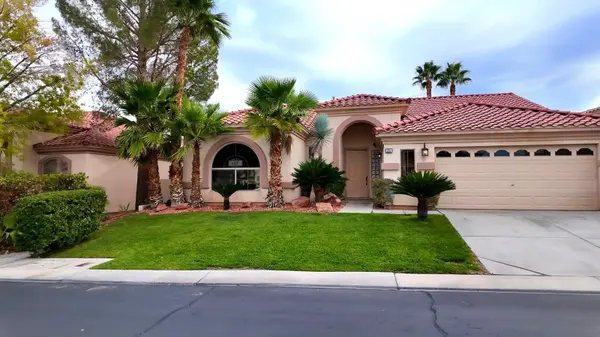
- Featured photo: "Oceanside, California 01" by Tgormanbrown, Wikimedia Commons, licensed CC BY-SA 4.0. Cropped and color-adjusted.
- All checked November 15, 2026.
Looking for California real estate? This guide is for North County San Diego buyers. Andrew Guiant is licensed in California and works with Rise Realty. Call or text 702-496-8216 or email andrew@andrewsellsvegas.com.
Prefer a Las Vegas comparison? Read Living in a Las Vegas High-Rise Condo (2026): Costs, HOA & Towers.
Andrew Guiant, REALTOR® | CA DRE #02448049 | Rise Realty, Broker DRE #01957687, 1902 Wright Place #200, Carlsbad, CA 92008.
Also licensed in Nevada, S.0183462, with Simply Vegas.
General information only, not legal, tax, insurance, lending or financial advice, and not a prediction of future prices or mortgage rates. Market statistics, HOA rules and insurance requirements change. Confirm current figures, HOA documents, insurance quotes, flood zones and contract terms with your lender, insurance agent, escrow or title company and advisors. Information deemed reliable but not guaranteed.
Categories
- All Blogs (70)
- Aries (1)
- Buyer Tips (58)
- Communities (1)
- Community Guides (11)
- Golf Communities (4)
- Henderson (14)
- Henderson Events (1)
- High-Rise Condos (8)
- Las Vegas Communities (23)
- Las Vegas Events (1)
- Living in Las Vegas (6)
- Model Home Tours (3)
- Moving to Las Vegas (3)
- New Construction (8)
- Relocation (6)
- Seller Tips (15)
- Southwest Las Vegas (1)
- Things to Do (2)
Recent Posts








GET MORE INFORMATION