

Prop 19 for North County San Diego Homeowners 55+: Keep Your Low Property Tax Base When You Move (2026)
If you've owned your North County home for a long time, your property tax bill is probably based on a value that's way below what the house would sell for today. That gap is the reason a lot of long-time owners in Carlsbad, Oceanside, Vista, San Marcos and Escondido feel stuck. Sell, buy a smaller single-story or a place closer to family, and your tax base resets to the new purchase price. California's Proposition 19 changed that for three groups of homeowners: people 55 and older, people who are severely and permanently disabled, and victims of a wildfire or a Governor-declared natural disaster. If you qualify, you can sell your primary residence and carry its low taxable value to a replacement primary residence anywhere in California, as long as you buy or build within two years and file the claim on time. This guide walks through who qualifies, the two-year window, the "equal or lesser value" test (100%, 105% or 110%), what happens if you buy a more expensive home, how many times you can use it, which San Diego County Assessor form to file and when, plus how supplemental tax bills, new construction and Mello-Roos fit in.
The short version
- Who qualifies: a homeowner who is 55 or older on the date the original home sells, or who is severely and permanently disabled, or whose home was substantially damaged or destroyed by a wildfire or a Governor-declared natural disaster.
- Both homes must be your primary residence. The one you sell and the one you buy, each eligible for the homeowners' exemption (or the disabled veterans' exemption).
- You have two years. Buy or finish building the replacement within two years before or after the original sells.
- The replacement can be anywhere in California and any price. If it's "equal or lesser value," your old taxable value moves over as is. If it costs more, the amount over the limit is added.
- "Equal or lesser" means: up to 100% of the old home's value if you buy before you sell | up to 105% if you buy in the first year after the sale | up to 110% in the second year.
- Up to three times per person for age or disability. Disaster transfers don't count toward the three.
- File with the Assessor in the county where the replacement home is. In San Diego County that's form BOE-19-B (55+), BOE-19-D plus BOE-19-DC (disabled) or BOE-19-V (wildfire or disaster), within three years of buying or completing the replacement.
I'm Andrew Guiant, a REALTOR® with Rise Realty, licensed in California. I'm not a tax advisor, an attorney or the Assessor, but I help North County sellers plan the sale and the next purchase so the Prop 19 timing works, and I always send you to the Assessor and your tax pro to confirm your numbers.
By Andrew Guiant, REALTOR® | CA DRE #02448049 | Rise Realty | Updated November 19, 2026
Thinking about selling a long-held North County home and moving? Call or text 702-496-8216 or email andrew@andrewsellsvegas.com.
Why Prop 19 Matters So Much in North County
Under Proposition 13, your assessed value is set when you buy (your "base year value") and then can go up by no more than 2% a year, even if the market goes up much faster. The San Diego County Assessor puts it simply: the assessment can never go higher than the original base assessment plus 2% per year. So a home bought decades ago can carry a taxable value that's a fraction of today's price, and the general 1% property tax is figured on that lower number. For a refresher on how the bill is built, read my San Diego property taxes guide.
When you sell and buy, the replacement normally gets a brand-new base year value at its purchase price. Prop 19 lets a qualifying owner skip that reset, or shrink it, on the next home.
Here's a simple illustration. These are round numbers I made up to show the math, not a quote for any home:
| Without Prop 19 | With Prop 19 (equal or lesser value) | |
|---|---|---|
| Factored base year value of the home you sell | $400,000 | $400,000 |
| Sale price of the home you sell | $1,500,000 | $1,500,000 |
| Price of the replacement home (bought 6 months after the sale) | $1,100,000 | $1,100,000 |
| Taxable value on the replacement | $1,100,000 | About $400,000 (plus any annual inflation factor applied after the sale) |
| General 1% levy on that value | About $11,000 a year | About $4,000 a year |
That's roughly $7,000 a year on the 1% general levy alone in this example. Your real bill also includes voter-approved bond rates and direct charges that depend on the tax rate area, so the Assessor notes your actual bill can differ even when the transferred value stays the same.
Who Qualifies for a Prop 19 Base Year Value Transfer
The rules live in California Revenue and Taxation Code section 69.6, which took effect April 1, 2021, and replaced the older Prop 60/90 rules. To qualify, all of these have to be true:
- You're a qualifying person on the date the original home sells. That means 55 or older, severely and permanently disabled, or a victim of wildfire or natural disaster. The BOE is clear that age is measured at the sale of the original home. If you're 54 when it closes, it doesn't work, even if you're 55 when you buy the replacement.
- The original home was your primary residence and eligible for the homeowners' exemption or the disabled veterans' exemption, either when it sold or within two years of buying the replacement. You don't have to be actively receiving the exemption. If you never filed for it, the BOE says the Assessor may ask for proof you lived there, like voter registration, vehicle registration, bank accounts or tax records.
- You sell the original home and buy or build the replacement within two years of each other, in either order.
- The replacement is your primary residence and eligible for the homeowners' exemption when you file the claim.
- You haven't already used it three times for age or disability.
Married couples: only one of you needs to be 55
The San Diego County Assessor says that for married couples, only one spouse must be 55 or older. The BOE adds that the spouse who meets the age test is the claimant and needs to be an owner of both the original home on the date it sells and the replacement on the date it's bought or completed. The younger spouse doesn't disqualify the older one.
Homes held in a living trust
Many long-time North County owners hold title in a revocable trust. The BOE says a person who is the present beneficiary of the trust can qualify, so selling and buying through your trust doesn't automatically knock you out. Have your title officer and estate attorney confirm how both homes are vested before you close.
Two homes into one doesn't combine
If two people each own a home and both sell to buy one place together, the BOE says only one base year value can be transferred to the replacement. You can't stack them.
Homes with an ADU
Under section 69.6, a single-family home with an accessory dwelling unit (ADU) or junior ADU isn't treated as a multiunit property for Prop 19 as long as the ADU can't be sold separately and you live in one of the units. In a true multiunit building, each unit is its own original property or replacement dwelling.
The Two-Year Window: Buy First or Sell First?
You can do it in either order. The sale of the original and the purchase (or completed construction) of the replacement just have to fall within two years of each other. A few things to know about the order you pick:
- The transfer kicks in on the latest date. The BOE says the base year value transfers as of whichever comes last: the sale of the original, the purchase of the replacement, or the completion of new construction.
- Buying first means paying full tax for a while. If you buy the replacement and sell the original later, the BOE says you're responsible for property taxes on the replacement's full value from purchase until the original sells, with no refund for that period.
- Buying first also uses the tightest value test (100%). More on that below.
- The two years can't be extended. The BOE says the window comes from the California Constitution and there's no hardship exception, even for construction delays out of your control.
That's why I like to map out the sale, the purchase and the closing dates together before you list. My San Diego closing costs guide and how long it takes to buy in San Diego help with the timeline.
The "Equal or Lesser Value" Test (100% | 105% | 110%)
Prop 19 lets you buy a replacement at any price. What changes is how much of your old taxable value carries over. The test compares the full cash value (basically market value) of the replacement to the full cash value of the home you sold.
| When you buy or finish building the replacement | "Equal or lesser value" means the replacement is worth no more than |
|---|---|
| Before the original home sells | 100% of the original's value |
| Within the first year after the original sells | 105% of the original's value |
| Within the second year after the original sells | 110% of the original's value |
If the replacement is equal or lesser, your old taxable value moves over as is. If you buy after the sale, the BOE says the original's value used in this test includes inflation factoring between the sale and the replacement purchase.
What if the new home costs more?
You can still use Prop 19. The amount over the "equal or lesser" limit is added to your transferred value. The BOE's own example: the original home sold for $700,000 and the replacement was bought a month later for $750,000. The 105% limit was $735,000, so $15,000 was added to the transferred base year value.
Using my made-up numbers from above, if that $1,500,000 sale were followed eight months later by a $1,650,000 purchase, the 105% limit would be $1,575,000. The $75,000 over the limit would be added, so the new taxable value would be about $475,000 instead of $1,650,000 (before any inflation factoring).
Two things the Assessor won't transfer:
- A temporary lower value. If your assessment is currently reduced because of a decline in market value (a Prop 8 value) or a Mills Act contract, the San Diego County Assessor says only the factored base year value transfers, not the temporary reduced value.
- Below-market deals. The Assessor says the sale price of the original and the purchase price of the replacement must represent fair market value for this program.
How Many Times Can You Use Prop 19?
Up to three times per person as a claimant who is 55 or older or severely and permanently disabled. The BOE notes a married couple could potentially use it six times, three for each spouse. Wildfire or natural disaster transfers don't count toward the three-time limit. Assessors report claims to the BOE so the state can track that limit, which is why the San Diego County Assessor asks disabled-person claimants for a Social Security number.
That three-time limit is a big deal for long-term planning. You could, for example, move from a family home to a single-story at 60 and use it again later to move closer to family or into a lower-maintenance place.
Severely Disabled Homeowners
There's no age requirement if you are severely and permanently disabled. The San Diego County Assessor says you file both form BOE-19-D (the claim) and form BOE-19-DC (the Certificate of Disability), and that your Social Security number is required to track the three-transfer limit. The other rules (primary residence, two-year window, equal or lesser value test) are the same.
Wildfire and Natural Disaster Victims
Prop 19 also covers owners whose primary residence was substantially damaged or destroyed by a wildfire or a natural disaster declared by the Governor. Here's how the BOE explains it:
- "Substantially damaged" means the land or the improvements took physical damage worth more than 50% of their full cash value right before the event.
- A wildfire doesn't need a state of emergency proclamation. A "natural disaster" does need one from the Governor.
- If you sell the damaged property and don't rebuild there, the original's value for the test is its value immediately before the wildfire or disaster.
- There's no age requirement, and disaster transfers don't count toward the three-time limit.
- The claim form is BOE-19-V, due within three years of buying or completing the replacement.
The County also has separate disaster relief programs for damaged property, so talk to the Assessor about which one fits your situation.
Buying or Building New Construction as Your Replacement
New construction counts. If you buy a lot and build, or buy a new home from a builder, a few rules matter:
- The home has to be completed within two years of the sale. The BOE says completion generally means the date the building department inspects and approves it for occupancy. You can buy the lot any time, but construction has to finish inside the window.
- The lot plus the finished home must pass the value test on the completion date. If the replacement is partly purchased and partly newly built, section 69.6 says the later date (purchase or completion) is the one that counts.
- Improvements after the transfer. If you add on to the replacement after the transfer, the BOE says the new construction can also be excluded if it's finished within two years of the sale, the purchase price plus the construction value doesn't exceed the original's value on its sale date, and you notify the Assessor in writing within six months after completion.
If you're looking at new homes in San Marcos or Escondido, read my San Marcos and Escondido new construction guide first. And please don't walk into a builder's sales office by yourself. Bring your own agent.
The Mello-Roos caveat
Prop 19 transfers your assessed (taxable) value. It doesn't touch Mello-Roos. A Mello-Roos tax is a special tax levied by a community facilities district (CFD) under its own rate formula, separate from the 1% general levy (California Government Code section 53325.3). The San Diego County Assessor's Mello-Roos page shows how to look up a parcel's CFD and its maximum special tax increases. So a newer North County home can still carry a meaningful Mello-Roos line even if your assessed value comes over from your old house. Check it before you write an offer. My Carlsbad vs. San Marcos cost comparison and San Diego HOA guide help you budget the full monthly cost.
Supplemental Tax Bills: Expect One, Then a Correction
When you buy any home in San Diego County, the purchase triggers a reassessment, and the Treasurer-Tax Collector sends a supplemental tax bill for the change in value, prorated through June 30. That bill goes to you, not your lender. With Prop 19, the supplemental may be figured on the full purchase price at first if your claim hasn't been processed yet.
Section 69.6 says that once your timely claim is granted, any taxes levied on the replacement based on its new base year value that exceed what you'd owe on the transferred value are canceled or refunded. The BOE adds that your regular annual bill reflects whoever owned the property on the January 1 lien date, and refunds are issued once the Assessor processes the claim. Filing quickly after closing helps keep this short. If you bought the replacement before selling the original, remember the full-value taxes for that in-between period aren't refunded.
How to File With the San Diego County Assessor
You file with the Assessor in the county where the replacement home is. If you sell in Orange County and buy in Carlsbad, you file in San Diego County. If you sell in Escondido and buy in another county, you file there.
| Who | Form | Deadline |
|---|---|---|
| Age 55 or older | BOE-19-B, Claim for Transfer of Base Year Value to Replacement Primary Residence for Persons at Least Age 55 Years | Within 3 years of buying the replacement or completing its new construction |
| Severely and permanently disabled | BOE-19-D plus BOE-19-DC (Certificate of Disability) | Within 3 years of buying the replacement or completing its new construction |
| Wildfire or natural disaster victim | BOE-19-V | Within 3 years of buying the replacement or completing its new construction |
The San Diego County Assessor accepts the claim three ways:
- Email the completed application with an image of valid government ID (for age verification) to PROP19@sdcounty.ca.gov.
- Mail it with a copy of your ID to Jordan Z. Marks, Assessor, Senior/Disabled Exclusion Unit, 1600 Pacific Highway, Suite 103, San Diego, CA 92101.
- In person at an Assessor office. The Assessor says its Kearny Mesa office (9225 Clairemont Mesa Blvd, San Diego, CA 92123) can help you complete the application.
Also file the homeowners' exemption on the replacement. In San Diego County it takes $7,000 off the assessed value, which the Assessor says saves about $70 a year, and you only file it once while you live there.
What if you miss the three-year deadline?
The relief isn't gone, but it shrinks. Section 69.6 and the BOE say a late claim can still be granted, but only going forward, starting with the lien date of the assessment year you file. There are no retroactive refunds for the years before.
What if the claim is denied?
The BOE says you can appeal the assessment to the county assessment appeals board, generally for the year the value is first enrolled and the next three years.
What Changed for Parent-Child Transfers (Briefly)
Prop 19 also tightened the old Prop 58/193 parent-child exclusion for transfers on or after February 16, 2021. Under current law, per the BOE:
- Only the family home (or family farm) qualifies, and it has to be the principal residence of both the parent and the child. The exclusion for other real property, like rentals, was eliminated.
- The child must file the homeowners' exemption within one year of the transfer, and file form BOE-19-P within three years of the death or transfer, or before a transfer to a third party, whichever is earlier.
- There's a value cap. If the home's market value is more than its factored base year value plus the adjusted $1 million amount, the excess is added. The BOE lists that amount as $1,044,586 for transfers from February 16, 2025 through February 15, 2027.
Parent-child transfers are a separate program from the 55+ transfer in this guide. If you're inheriting a North County home, talk to the Assessor's Intergenerational Exclusion Unit and an estate attorney early.
Moving to Las Vegas Instead?
Prop 19 only works when the replacement home is in California. The BOE says a base year value can't be transferred to or from a home in another state. If you're weighing Las Vegas or Henderson instead, Nevada has its own property tax system with different caps. Read my Las Vegas property taxes guide and buying in Las Vegas before selling in California to compare.
My Prop 19 Checklist for North County Sellers
- Confirm you qualify on the day your current home will close (age, disability or disaster, and primary residence).
- Pull your current factored base year value from your tax bill or the Assessor, and ask whether you're in a temporary Prop 8 value.
- Get a realistic sale price so you know your 100% | 105% | 110% limits.
- Decide buy first or sell first. Buying first uses the 100% limit and means full-value taxes until the original sells.
- Check the replacement's Mello-Roos, HOA and tax rate area before you write an offer. My how to make an offer in San Diego guide walks through the contract side.
- Put the two-year deadline on the calendar, especially if you're building.
- Close, move in, then file BOE-19-B, BOE-19-D plus BOE-19-DC, or BOE-19-V, and the homeowners' exemption, right away.
- Watch for the supplemental bill and keep it until the corrected bill or refund arrives.
- Ask the Assessor and your tax pro to confirm everything for your exact situation.
For a bigger-picture look at budgets around the county, see my cost of living in San Diego guide and my North County San Diego housing market report.
Frequently Asked Questions
Can I use Prop 19 if I move from Carlsbad to Escondido, or from another county into North County?
Yes. Since April 1, 2021, the replacement can be anywhere in California. You file with the Assessor in the county where the replacement is.
Does the new home have to be cheaper?
No. It can be any price. If it's more than 100% (buy before you sell), 105% (first year after the sale) or 110% (second year) of the old home's value, the amount over that limit is added to your transferred value.
Do both my spouse and I have to be 55?
No. The San Diego County Assessor says only one spouse must be 55 or older, as long as that spouse is an owner of both homes and is 55 by the date the original sells.
What if I'm 54 when my house sells?
Under the BOE's guidance, you wouldn't qualify for that move. You must be at least 55 on the date the original property sells.
How many times can I do this?
Up to three times per person for age or disability. Disaster transfers don't count toward that limit.
Can I use it for a rental or second home?
No. Both the original and the replacement have to be your primary residence and eligible for the homeowners' or disabled veterans' exemption.
Can I buy in Nevada and keep my California tax base?
No. The BOE says a base year value can't move to or from a home in another state.
What is the deadline to file?
Within three years of buying the replacement or completing its new construction. A late claim can still help, but only from the year you file forward.
Will Prop 19 lower my Mello-Roos?
No. Mello-Roos is a special tax set by the CFD, separate from the 1% general levy on assessed value.
Will I still get a supplemental tax bill?
You may, especially if your claim hasn't been processed when the bill is issued. Once a timely claim is granted, taxes above what you'd owe on the transferred value are canceled or refunded, except for full-value taxes while you owned the replacement before your original home sold.
Watch: Single-Story Home Tours From My Channel
A lot of my Prop 19 conversations are about moving into something easier, often a single-story. My channel covers Las Vegas and Henderson, so these are Nevada tours, but they show the kind of downsizing layouts people ask me about.
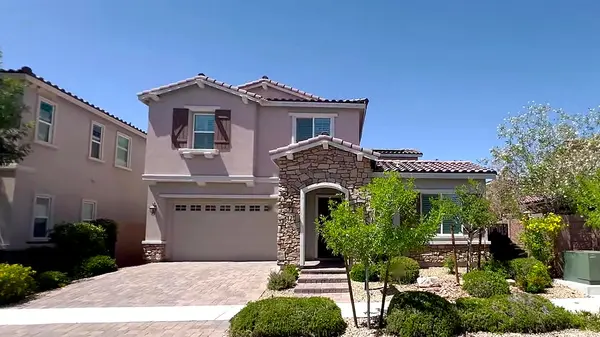
 ▶ Single-story Henderson tour | 4 bedrooms, about 2,000 sq ft |
 ▶ Like-new single-story tour | Cadence, Henderson |
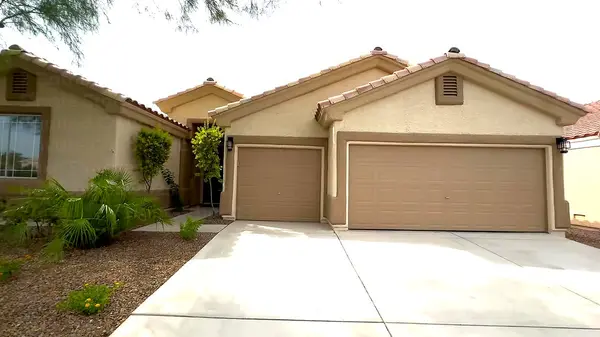
 ▶ Charming single-story tour | 3 bed, 2 bath in Henderson |
 ▶ Remodeled single-story tour | Las Vegas, owned solar and a pool |
Planning a move out of a long-held North County home? Call or text 702-496-8216 and I'll help you map the sale, the purchase and the Prop 19 timeline, then point you to the Assessor and your tax pro to confirm the numbers.
Sources
- California State Board of Equalization, Proposition 19 (comparison charts, filing requirements checklist, intergenerational transfer $1 million amount adjustments)
- California State Board of Equalization, Letter to Assessors No. 2024/044, Proposition 19 Base Year Value Transfer Frequently Asked Questions and Answers (December 11, 2024)
- California Revenue and Taxation Code section 69.6
- California Government Code section 53325.3 (Mello-Roos special tax)
- San Diego County Assessor, Property Tax Relief for Seniors (Prop 19)
- San Diego County Assessor, Prop 19: Property Tax Savings for Disabled Persons
- San Diego County Assessor, Parent to Child Exclusion
- San Diego County Assessor, Homeowners' Exemption
- San Diego County Assessor, Real Property Assessment and Mello-Roos
- San Diego County Treasurer-Tax Collector, Supplemental Property Taxes
- Featured photo: "East Side of Batiquitos Lagoon" by Pink Floyd Fan 101, Wikimedia Commons, licensed under CC BY-SA 4.0. Cropped and color-adjusted.
- All checked November 19, 2026.
Looking for California real estate? This guide is for North County San Diego homeowners. Andrew Guiant is licensed in California and works with Rise Realty. Call or text 702-496-8216 or email andrew@andrewsellsvegas.com.
Andrew Guiant, REALTOR® | CA DRE #02448049 | Rise Realty, Broker DRE #01957687, 1902 Wright Place #200, Carlsbad, CA 92008.
Also licensed in Nevada, S.0183462, with Simply Vegas.
General information only, not legal, tax or financial advice. Proposition 19 eligibility and values are decided by the County Assessor, and property tax laws, forms and adjustment amounts change. Confirm your situation with the San Diego County Assessor (or the Assessor in the county of your replacement home), the State Board of Equalization, and your tax professional or attorney before you sell or buy. Information deemed reliable but not guaranteed.
Categories
- All Blogs (84)
- Aries (1)
- Buyer Tips (72)
- Communities (1)
- Community Guides (11)
- Golf Communities (4)
- Henderson (19)
- Henderson Events (1)
- High-Rise Condos (8)
- Las Vegas Communities (25)
- Las Vegas Events (1)
- Living in Las Vegas (13)
- Model Home Tours (3)
- Moving to Las Vegas (3)
- New Construction (8)
- Relocation (6)
- Seller Tips (16)
- Southwest Las Vegas (1)
- Things to Do (2)
Recent Posts



GET MORE INFORMATION